When you’re actively drinking, alcohol can temporarily reduce anxiety symptoms by depressing the central nervous system. Then, as your body metabolizes the alcohol and the effects of heavy drinking wear off, you can experience what’s called a rebound effect. This is when stress hormones actually increase, resulting in heightened anxiety. Schuckit and colleagues have studied the rates of psychiatric disorders in COA’s from a variety of perspectives.

Lifestyle Quizzes
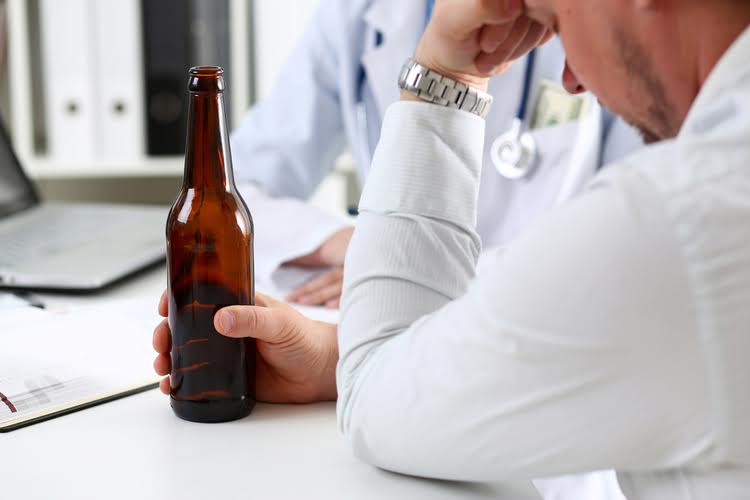
The fact that all these physiological changes can cause symptoms so similar to those of a panic attack can trick your brain into having a real one. Alcohol quickly shifts from helping to harming because, despite its temporary ability to lower anxiety, it isn’t truly can alcohol cause anxiety an anxiety treatment. Genuine anxiety treatments work with your mind and body to systematically lower anxiety as well as help you cope with it. With Talkiatry, you can see a psychiatrist from the comfort of your home and you can schedule your first appointment in a matter of days. To get started and learn about your treatment options, take our free online assessment, to see if Talkiatry is right for you and get matched with a psychiatrist.
Physical and Emotional Symptoms
Similar results have been generated from some, but not all, studies of alcoholism in relatives of patients with severe anxiety disorders. A recent report from the Collaborative Study on the Genetics of Alcoholism (COGA) focused on 591 personally interviewed relatives of alcohol-dependent men and women (Schuckit et al. 1995). Neither male nor female relatives showed increased risks for obsessive-compulsive disorder, social phobia, panic disorder, and/or agoraphobia. The relationship between alcohol-use disorders and psychiatric symptoms is both clinically important and very complex (Brady and Lydiard 1993). The greater the amounts of alcohol consumed and the more regular the intake, the more likely a person will be to develop temporary anxiety and depressive symptoms. As consumption increases even more, these symptoms also are likely to intensify.
Treatment Options for Co-Occurring Anxiety and Alcohol Use
- Alcohol is a diuretic, meaning it makes you lose water through peeing, so it’s very important to drink plenty of water as well when you’re drinking alcohol.
- These lifestyle changes include getting regular exercise, nourishing your body with a nutrient-dense, anti-inflammatory diet, and improving your sleep hygiene.
- It is important to remember, however, that certain studies show some overlap among depressive, anxiety, and alcoholic disorders in the same family.
- We don’t often think our behaviors pose risks to those around us, but problematic drinking will eventually affect our friends.
- If you’ve ever gotten this kind of encouragement before, you know how good it can feel.
There also seems to be a correlation between the amount of alcohol I drink and how anxious I am—the more gin and tonics I have, the more anxious I’ll be when they wear off. The relationship between anxiety and alcohol has become increasingly clear thanks to research (Clark, 2006). Endless Mountain Behavioral Healthcare offers personalized addiction treatment programs designed for effective recovery and lasting wellness.
Can Quitting Drinking Help My Anxiety?
If you are experiencing regular panic attacks, you need to ask for support. Speaking with friends and family can help them prepare to support you when a panic attack strikes. It is also important that your seek support from your GP, who will talk Sobriety you through available treatment options.
So THAT’S Why Alcohol Makes You More Anxious As You Get Older
- Alcohol mimics the effects of GABA, which reduces anxiety in the moment.
- Mindfulness and relaxation techniques, like meditation or deep breathing exercises for anxiety, are effective ways to manage and reduce symptoms.
- Thus, long-term psychiatric treatment does not appear to be required for alcohol-induced psychiatric conditions to be resolved (Brown and Schuckit 1988; Schuckit and Hesselbrock 1994).
Having a substance use disorder can also increase the chance of having an anxiety disorder. But if drinking never ends, and the alcohol use becomes chronic, you might begin to see how anxiety and alcohol misuse can feed into each other. People can speak with a healthcare professional for help managing anxiety or mood disorder symptoms.
Integrated Treatment Programs
Regular or overuse of alcohol can result in psychological dependence. Some people might come to feel they need alcohol to be able to relax or cope with stress in their lives. The effects of substance abuse can cause increased anxiety, especially if alcohol is suddenly unavailable or if the intake amount is drastically reduced. Many people experience sleep disturbances after a night of heavy drinking.
Ways Alcohol May Affect Anxiety and Depression
Researchers in a 2017 study measured anxiety clinically and found that anxiety levels were higher in those with AUD than those without when they faced stress. Discuss these concerns with your doctor first to see if alcohol is safe for you. Alcohol is a sedative and a depressant that affects the central nervous system. “Basically, the effects of any medication that causes you to be tired and decreases your rate of breathing will be supercharged with alcohol,” says Sood. You may have seen plenty of on-screen characters sip whisky or wine to calm their nerves, but if you have an anxiety disorder, you may wonder if this habit really helps. Hangxiety has become a buzzword that describes the uneasy feeling that often accompanies heavy alcohol use, but what does it really mean?